Musings about our farm, organic farming, regional foods and markets.

Plus, what's in the news about foods, systems and regulations around the world.

Wednesday, May 8, 2019

From the Rolling Hills to the Atlantic Coast


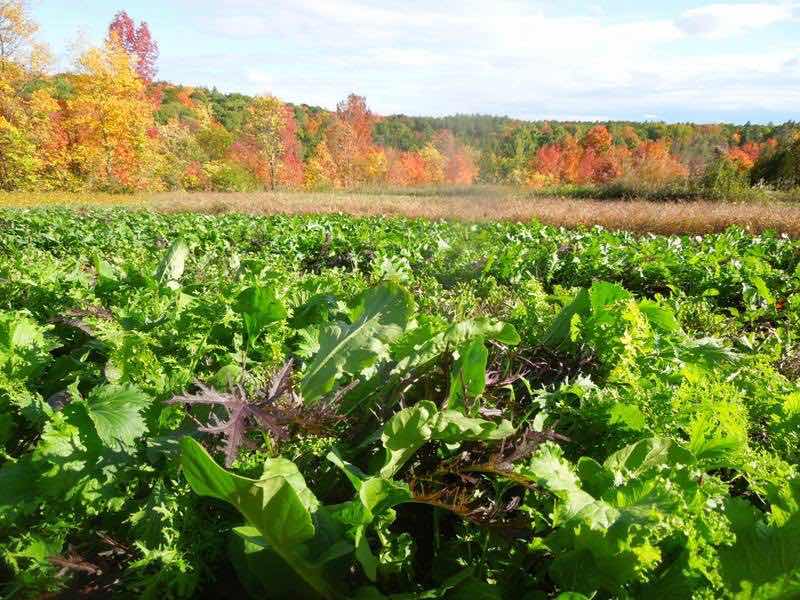
Fall greens at Rolling Hills Organics


We, Peter and Gundi, have moved to Cape Breton Island, Nova Scotia, on about the easternmost coast of mainland Canada. Our house is perched 25 feet above sea level and less than 150 feet from the sea, in the picturesque maritime cove of Little Lorraine. 


"Now why exactly are you making this move?", (one person pondered). Exactly because we fell in love with this property and location as soon as we laid eyes on it. We have long wanted to live beside an ocean that is wild, scenic, pristine, and wondrous. We cannot afford to do this on the west coast of Canada and we are not ready to trade this country for another as home. When we visited last October, we were immediately enchanted by the varied land- and sea-scapes, the friendly welcome from locals, the rich choice of seafoods, and, yes, the 'out there' nature of living detached from the busy world of people, yet belonging to a community of way less than a hundred people. "Won't you be isolated?" No, not really. We are eight kilometres from the nearest large village (as we were before), and half an hour's drive to the nearest large town (again, as we were before). We are within 45 minutes of an airport, right on the ocean, with a thriving local food and farming market easily accessible (online or by weekly pick-up). Family and friends have been overwhelmingly supportive of our move, expressing admiration for our boldness, sense of adventure, and wishing us the best. An element of envy exists, but most show their better nature by being genuinely happy for us.


This move came about very fast as we sounded out the saleability of our farm property in the Northumberland Hills of southern Ontario. We began by advertising Rolling Hills Organics as a farm and business. Seeing strong interest at the advertised price, from two parties in particular, we made a four-day visit to Cape Breton, touring the Cabot Trail in all its Fall colour and glory, and visiting our chosen property. We returned home and made an offer conditional on selling the farm. This offer was accepted! With no firm buyer, we opted to put the farm on the open market, through a real estate agent specializing in selling farm properties to Toronto buyers. Within three weeks, the farm was sold, firm, just before we departed for twelve weeks of winter break on Lake Atitlan in Guatemala. All this happened at breakneck speed. With constant developments, it was hard to keep up with apprising family, friends, colleagues, and customers. Some were miffed not to be the first to hear, or to hear second-hand, or, worse, through the grapevine. We left for Guatemala before Christmas as arranged well in advance of planning to move. We did so with a firm closing date of mid-April for both sale and purchase. We returned home at the beginning of March with six weeks to pack up the household, farm, and glass art studio, and to organize financing, moving, transfer of accounts.


We sounded out the move because we are at the stage of life where we need to downsize and plan for the next chapter while we are still active, mobile, energized, adventurous, and in good health. If I am no longer farming, I do not need a farm property with all its physical demands and upkeep. Importantly, with a strong market demand from Toronto and vicinity, the time is right to sell at a good price. And the time is right to buy at way less than half the sales price in Nova Scotia. Plus, we are following good friends who have made this move ahead of us, and they are all loving their new lease of life on the east coast.


So, Rolling Hills Organics is no more. I will miss the camaraderie of farmers market customers, vendors, and staff. It remains my fervent hope that the pure land that I farmed organically for twenty years will continue to be chemical-free, as it always has been. The new owners seem to be very conscientious in willing it so. They plan on having a pony, chickens, and an apple orchard. A neighbour surfaced over the winter wanting to take on the organic farming, either at our farm or by converting his own family conventional (chemicalized) farm. Jason took on all my seeds, catalogues, and a lot of farm and market tools and equipment. I am flattered that he wants to grow the same salad green blends as I did, marketing them as "Peter's Greens". It may take him a while to get up and running as there is a lot to learn, but I wish Jason, and the farm's new owners, all the best.


Our new locale, Little Lorraine, Cape Breton, Nova Scotia
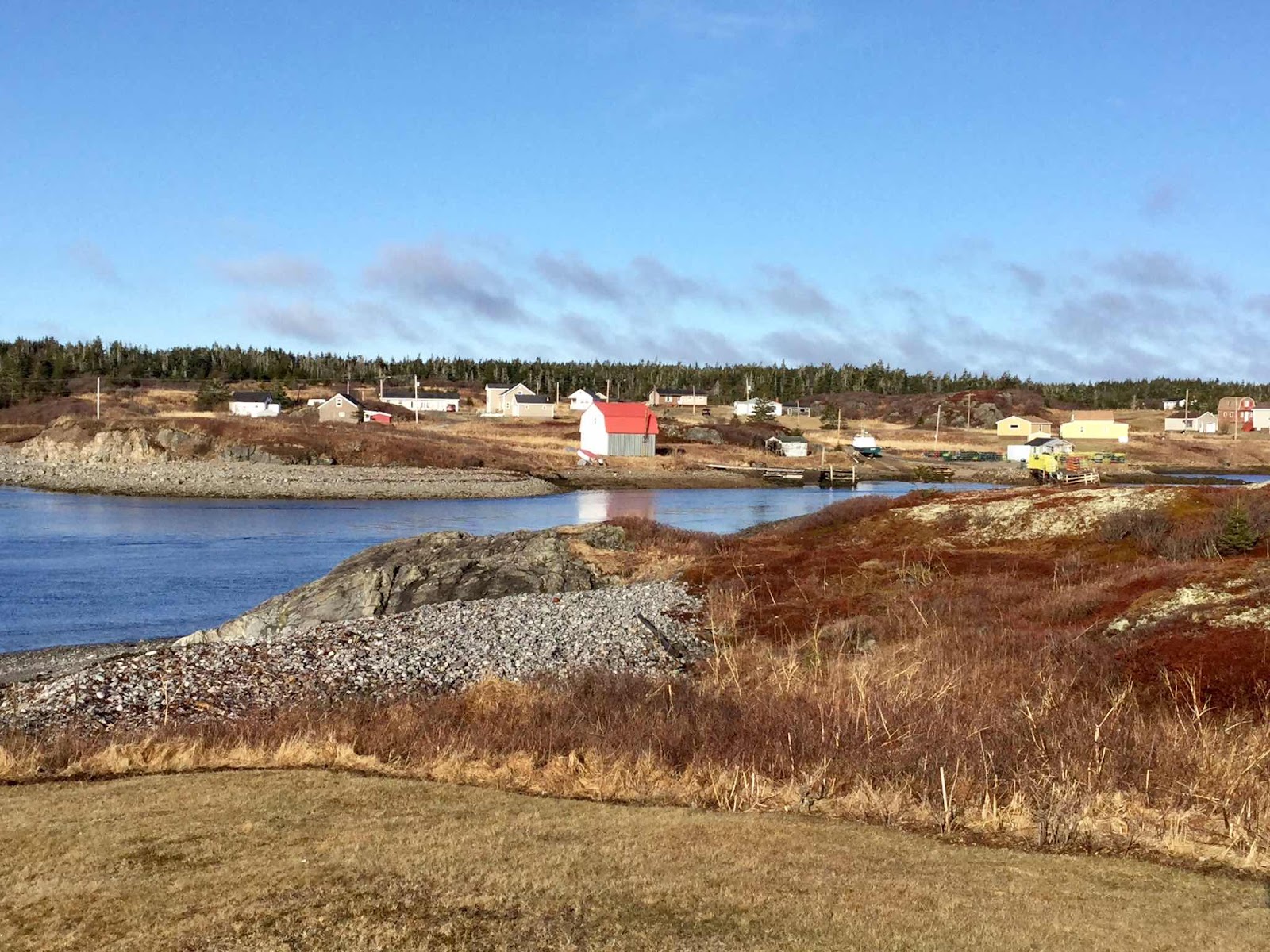

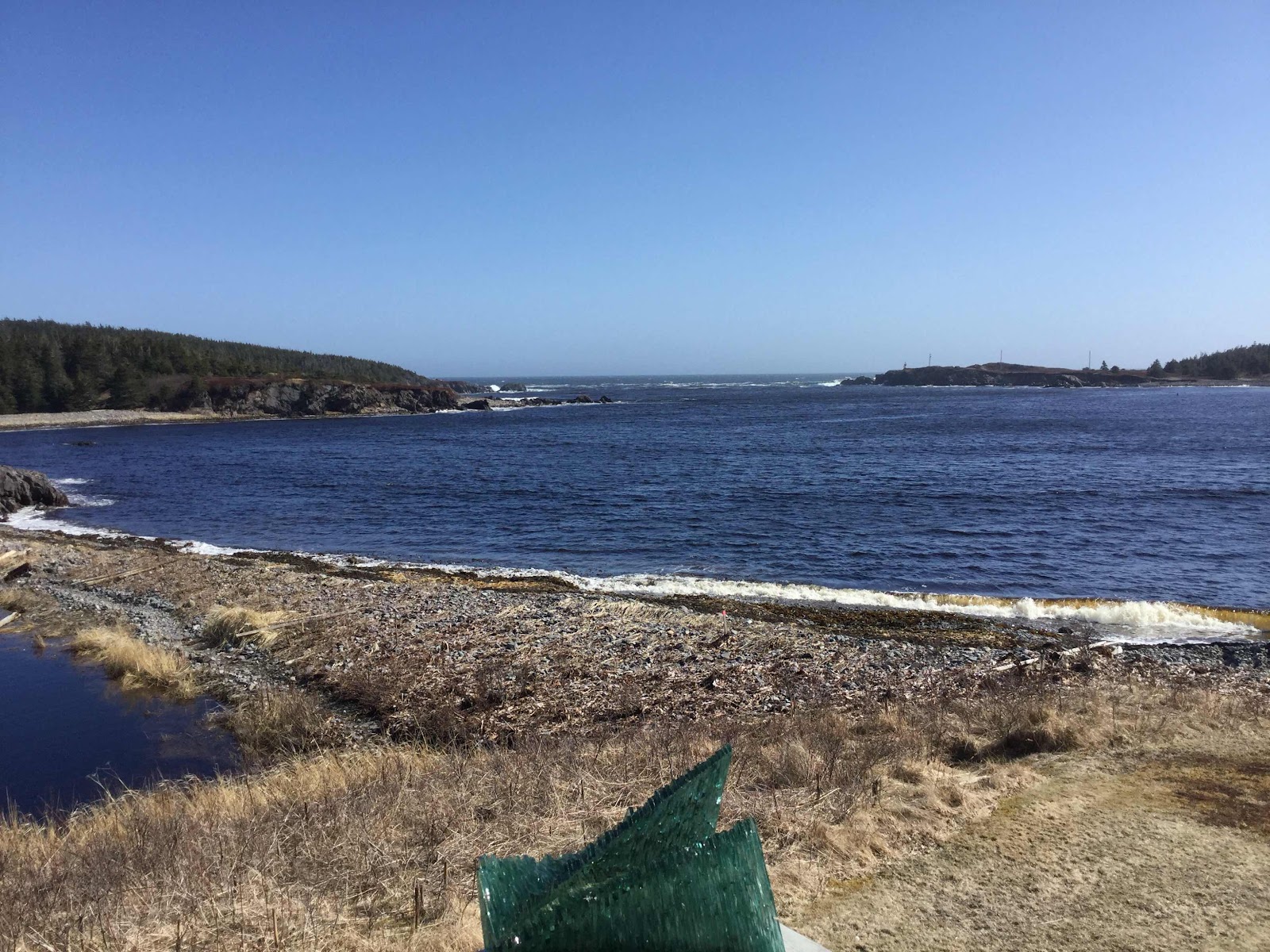
Here in Little Lorraine, we are pinching ourselves at our good fortune in finding our dream home on the ocean. The land and sea scapes are constantly changing with the weather and light. I look forward to many years of looking out over the cove, out to the open Atlantic Ocean. We want to explore this wild, rugged coastline, the rocky shores, and the manifold beauty of Cape Breton. This afternoon on this glorious sunny day, we went off on a walk to explore the heralded Gooseberry Cove, brimming with anticipation. And the views exceeded expectations. This is classic, open, wild Atlantic coastline with bold headlands, rocky shore, sheltered coves, and clear waters. The sun danced on a sea pulsing with sound, energy and light.


Looking out to the open ocean

Tuesday, February 26, 2019

Andrea y Chico


First we met Chico as we arrived in Pachitulul, a small Mayan village outside San Lucas Toliman on Lake Atitlan in the Guatemalan Highlands. He was sitting barefoot on a bench, resting from toil in his field. He told us he has a wife, Andrea, and six girls. This evening he came by to offer us tomatoes, lettuce, cabbage, parsley, and celery. Conversation led to details about our family and his. We were astounded to hear that he has an Andrea (his wife), and a Cristina and another Andrea among their six daughters, just as Gundi has these two as daughters along with Claudia. Their other daughters go by the names of Maria,Isabel, Rebecca, Liliana. 


Buoyed by Chico's sale of fresh vegetables to us, Andrea and Liliana came by an hour later under cover of darkness and tapped on the kitchen window. They were carrying three big baskets of hand-woven textiles Andrea had made and proceeded to extract a huge, vibrant assortment of clothing and decor, all beautifully and uniquely fashioned and created. Not now, later, Gundi re-iterated over and over as they unfolded more and more. Another time. Later. We are cooking...


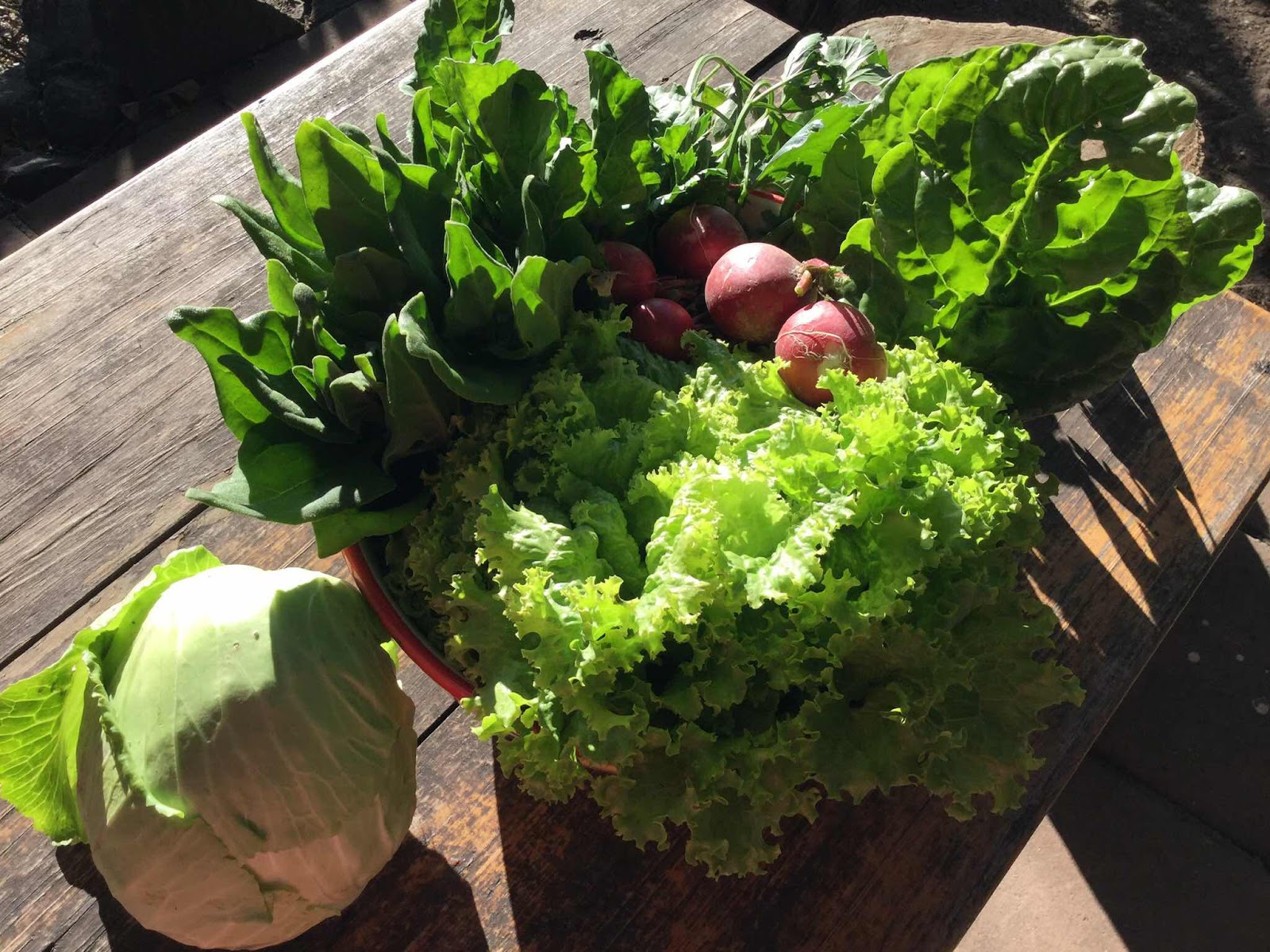
Chico duly came by with a huge bag of lettuce, radishes, arugula, celery, tomatoes, parsley, and cabbage. He sat down, chatted as we peppered him with questions about the community and its history. Yesterday's marimba band concert was apparently attended by around a hundred locals, and celebrated the recovery from illness of a village member. "How old are you?" he asked Gundi... "... and you?" I countered. "Fifty two". "Ten years younger than me", I confessed. When pressed on the cost of the five pounds of vegetables, freshly picked from his garden, he shyly said twenty quetzales (around three dollars). "Cheap, no?", he joked. When I gave him thirty, he was very grateful. "Expensive, no?", he joked. The next morning he came by, as promised with fresh epazote and purple basil to make a tummy tea for Gundi. Ten quetzales were gratefully tendered and received.

w


After I reminded Andrea about coming over with a shirt for me, she appeared on a Sunday morning with daughters Maria, Liliana, and Andrea, and three baskets of textiles. I picked out a subtle purple, green and orange shirt that Gundi approved of, and, lo and behold, it fit,with just the hood for Gundi to cut off. Andrea asked for 300 quetzales and settled for 250; we were all happy with the deal, which is the main thing. Too many tourists show no dignity in seeing haggling as a sport by which to belittle the seller and back-slap their own powers of persuasion in a display of cultural imperialism.


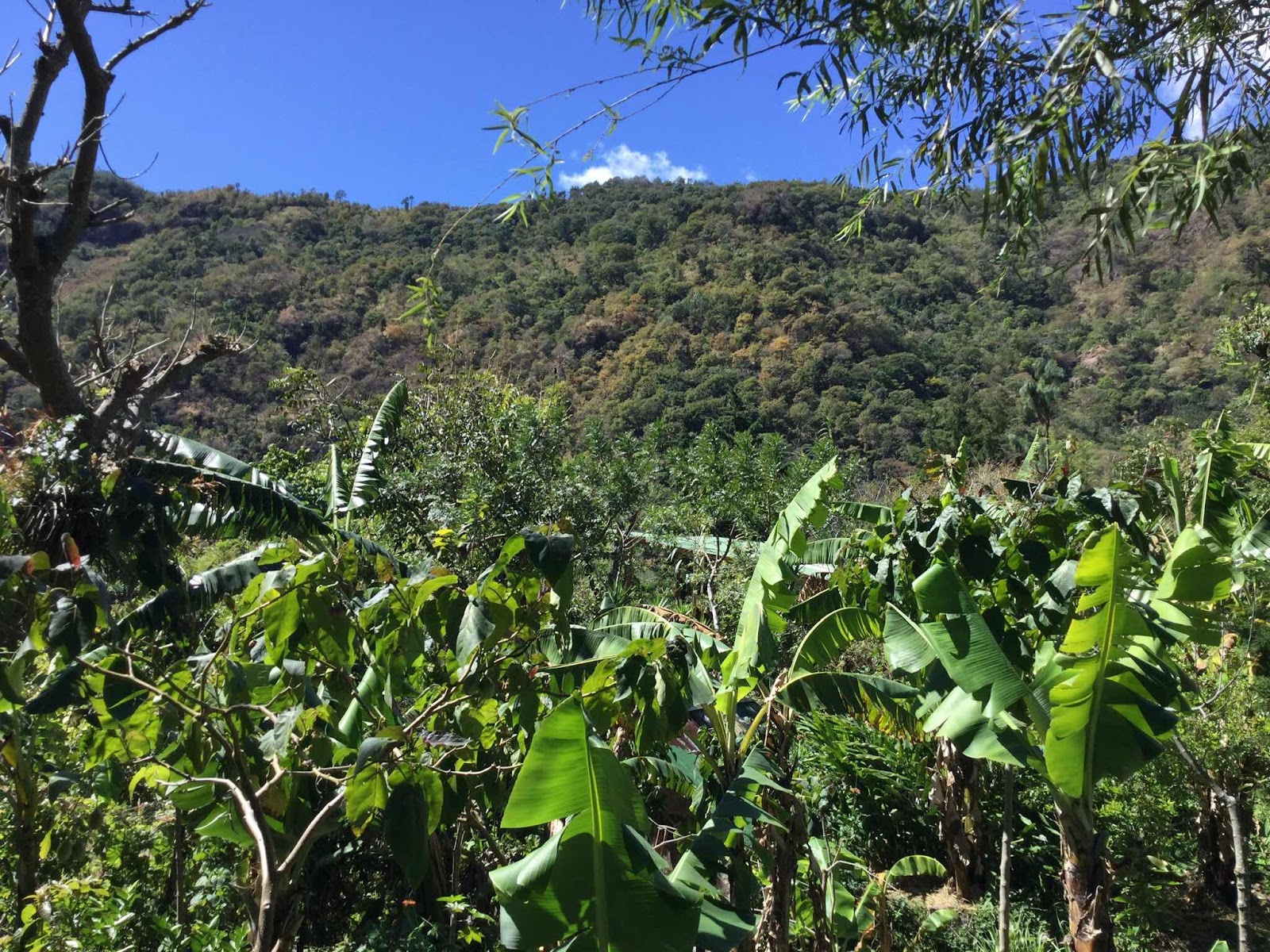
Chico is one of eight local farmers that rent land from IMAP, the *Instituto Mesoamericano de Permacultura*, in exchange for seeds that they grow. Chico saves a black corn, tomatoes, arugula, carrots, beets, chard, celery, parsley, lettuce, cabbage, spinach, and more. In addition, some early mornings well before the sun gets up, he and his two dogs walk an hour up the mountainside of Toliman volcano to tend his corn, coffee, peaches, bananas, and lemons. Ah, the life of a campesino - hard but gratifying; this and the physicality, sensuality, fresh air, sun on skin, and communion with nature, which have in concert provided me with so much enjoyment over the years. As we return home and then start a new chapter on the ocean in Cape Breton, I will miss Rolling Hills Organics, the farm and the farming vocation. The sowing of seeds, the changing of the seasons, the planting of seedlings, the turning and nurturing of soil, the harvesting of greens, the pulling of root crops, the selling at markets have, after all, granted me a happy living and sustained me in good health for the last two decades. 


Friday, December 7, 2018

Bye, bye, Brick Works


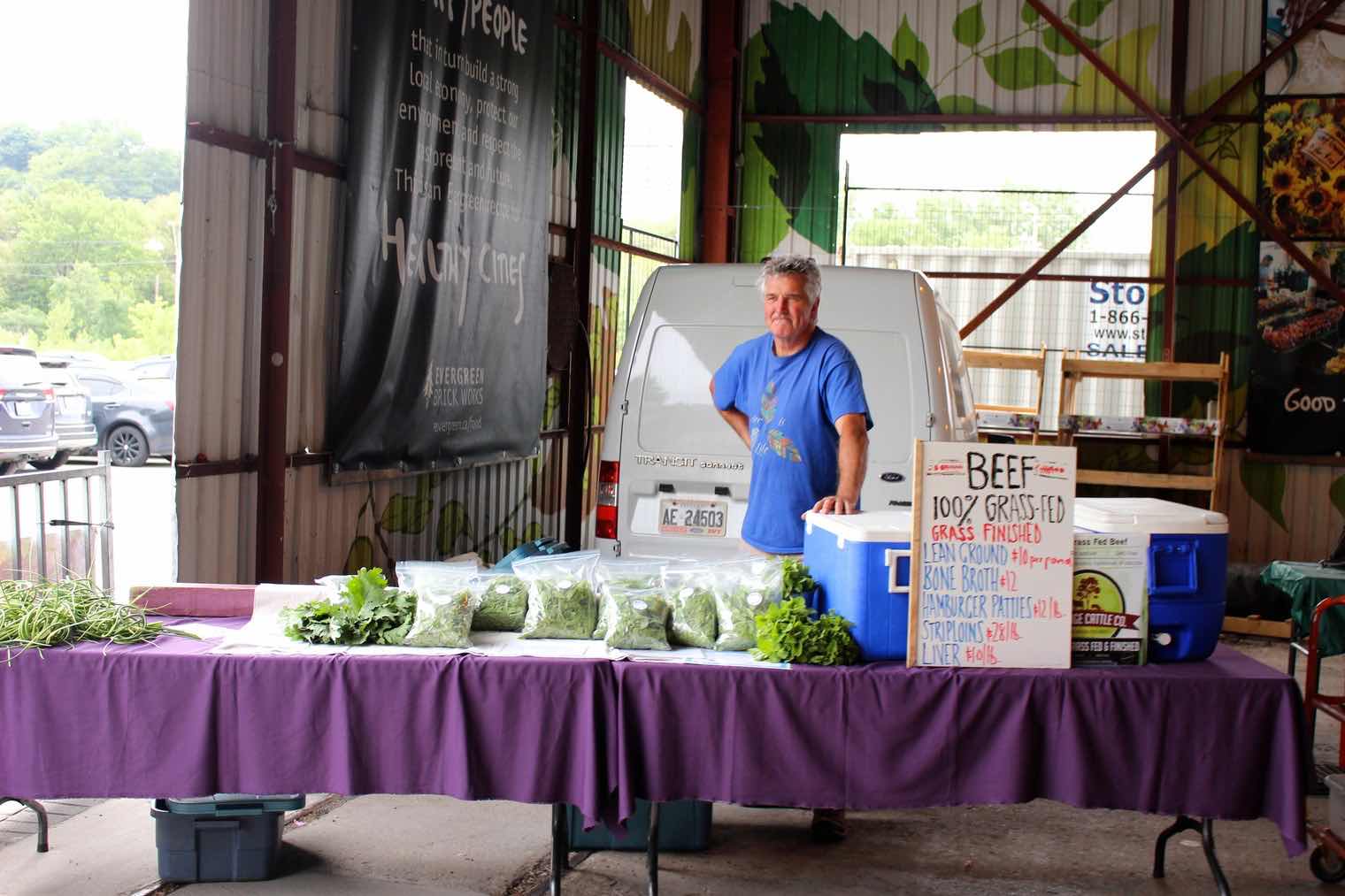
For the past twelve years (since 2007), I have been standing here at Toronto Evergreen Brick Works Farmers Market as a Saturday morning vendor.
 First under the umbrella of the Quinte Organic Farmers Co-operative, then as my own farm Rolling Hills Organics, this long run draws to a close tomorrow with my final market. By my records, I have around 400 under my belt. Some vendors like Irene, Jens, Dave, Ed, Angelos and others will have more as they are there year-round, all through long winters when we are down south or in hibernation.

I would like to thank loyal customer turned colleague turned close friend Christina Temple for her loyalty and avid support of our farm's certified organic, fresh, local produce. I have learned a lot about food, health, medicine, herbs, restaurants, value-added products from her. Thank you too to the amazing Elizabeth Harris who gave me my start at Riverdale and Brick Works farmers markets, and to Marina and Cameron for building and running the market. Thanks most of all to you cheery regular customers, vendors and volunteers too numerous to mention. You have provided a vibrant venue for business, chat, and enduring friendship.

Gundi and I have decided the time is right for a new and exciting challenge and the next chapter in our lives. So it is that we have all but sold the farm and all but bought our new home in a little cove overlooking the Atlantic Ocean in Cape Breton, Nova Scotia. We will grow our own food and Gundi will continue her glass artistry but I will be trading in small-scale land farming for small-scale ocean farming (fish, shellfish, and sea greens) and diving into a new community. Look for me at the admirable Cape Breton Food Hub.

Cheers, and keep local fresh organic going at Brick Works!


Wednesday, June 27, 2018

Farmers Markets, Food Feature


From www.thisiscrumb.com, my featured interview:


Can we assume everything at the farmer’s market is organic?

By no means. Farmers markets are wonderful places and improved signage is in the works, but customers should be aware. Labels such as organically grown, sustainable, ecological, minimally sprayed, local can be misleading. Always ask if the farmers grew all the product they are selling. If not, where was the rest grown and how.


Is everything local? How far (on average) do farmer’s/vendors source their product from?

Each market has different rules, but generally Toronto markets feature produce grown within two to three hours' drive. The 100-mile limit is a good guideline.


Talk me through the process from farm to stall.

We have a full day of harvesting, processing, packaging, sorting, cataloguing prior to market. On market day, we are up at 4.30 am for the hour and a half drive to market, one hour set-up, five hour market. Home by 4 pm, bushed after interacting with customers and other vendors in the fresh outdoor often hot air, selling, and hopefully selling out!


You vend primarily at the Evergreen Brickworks Farmers Market - how does the farmer’s market select farmers to participate? What is the criteria?

This market used to be an exclusively organic market with all vendors verified to grow organically if not certified organic by third party verification. These days, customers should ask questions of vendors to ascertain their growing methods and practices. Go with farmers you can trust.


How does weather affect the growing season and the quality of the crops? If it is a late winter, or an early frost, how does this affect the produce? What are the most resilient fruits and vegetables? Which are more likely to suffer?

Southern Ontario farmers have just been through the driest summer since records began, followed by one of the wettest. Farmers are at the mercy of the vagaries of weather and the excesses of climate change, unless their operations are indoor, climate-controlled, using large amounts of energy and foregoing natural sunlight, rain, dew, wind (Nature's elements). Extreme winters, cool springs, variable summers are conditions that outdoor farmers must face up to. Late frosts, extended cold, wet summers, heavy winters, extreme heat, lack of rain are all eventualities that must be faced up to.


What else can affect the quality/quantity of crops in a growing season?

Extremes of weather, mineral and nutritional deficiences, poor farming practice and excess pesticide use can cause bug infestations, bacterial disease.


Any trade secrets/ dead giveaways in sussing out the best of the best? If two vendors are offering the same product, how do you know which is better? Are there buzzwords on signage that we should look out for?

Talk to farmers, ask questions about seeds, organic practices, GMOs, whether chemicals were used, what the nature of the soil is, when produce was picked. Be price-savvy, but appreciate that you grt what you pay for. Skimping on price will land you a less than stellar product. Biodynamic and certified organic are the gold standards.


What does the picking process look like? How large is your team? Do you pick all your produce by hand or do you use machinery to assist in harvesting?

At Rolling Hills Organics, all produce is picked fresh for each and every market. Salad greens are picked early morning, washed three times in our pure well water, spun dry, weighed, bagged, and cooled in bins ready for transport to market. We are a small team. All seeds and plants are planted, harvested and processed by hand.


You run a certified organic 55-acre farm. Talk to us about the rise in the use of pesticides - why are you adamant on growing organically?

To taste or not to taste - is it really true that we can sample everything at the Farmers Market? How open are farmers to having you sample their product before purchasing?

Our land has never seen chemicals. No pesticides of any kind are used, since we insist on farming entirely organically, holistically, sustainably, using Nature as guide. Chemicals are responsible for many of the terrible ailments afflicting the health of consumers, whether ingested from food or absorbed from a toxified environment.

Sampling at market is subject to strict health guidelines. Some vendors offer this, and we welcome customers tasting our salad greens.


What are your top picks at the market? Do you purchase non-produce items like pasta/bread/baked goods - or do you save those for the grocery store? Why?

Naturally raised, minimally processed, organic produce and foods. There are many locally-produced, small-batch, artisanal foods of good quality available at market. 


Do farmers markets account for the primary source of revenue for most farmers? Or are there other components of the business that contribute to the overall revenue - for example, supplying to local restaurants, etc.

Most farmers receive their income from a mix of farmers markets, wholesale accounts, and sales to restaurants. We prefer to focus on farmers markets where we receive full retail price and enjoy a highly respectful and regular clientele along with a constant stream of new customers.


Tuesday, May 22, 2018

Farmers Markets in the Spotlight


What a perfect farmers market experience Warkworth Market at the Mews offers! it is authentically local, reflecting genuine community. With the CBC Marketplace "exposé", farmers markets in general have come under the spotlight and the fallout has not been pretty. Like any other business model, farmers markets face issues of credibility in the eyes of the consumer. They also present massive opportunities for good food, good health, the localist economy, and societal change. In many ways, they are victim of their own success as more and more consumers flock to them, away from name-brand food sources like supermarkets and grocery stores. They stand to be knocked down.


In the CBC Marketplace report, the Peterborough Farmers Market was highlighted. While most appreciated the revelation of some produce coming from the Ontario Food Terminal, the market management most certainly did not. Several small-farm vendors ironically seen as troublemakers were subsequently uninvited to participate. They have now set up their own Saturday farmers market through Peterborough Regional Farmers Network. While it is a shame for markets to fragment in this way, the intransigence of a Board of Directors in this case made a parting of the ways inevitable.


Yes, a few re-sellers maintain a presence as vendors at some farmers markets. Sometimes market management allows them under their regulations; this is especially true of long-established regional town and city markets across southern Ontario, like Peterborough. This is, after all, how these markets began, long before the local food movement took hold. Sometimes management just turns a blind eye or fails to take adequate time or effort to monitor what farmers bring. Sometimes re-sellers sneak in the back door, selling incognito through farmers or while representing produce as home-grown alongside harvests from their own farm.


By and large, farmers are honest and upfront, as indeed they should be. The few bad apples should be weeded out through strong rules and clear signage rigorously enforced. The buying public deserves nothing less than total transparency, especially at farmers markets, where the stakes for health are so high. We all have a right to know where our food comes from, and whether it is certified organic, grown using chemicals, or containing genetically modified ingredients. After all, these venues offer our best chance to feed body and soul with locally-sourced healthy food direct from a family farm in a convivial setting. Talking of which... in our neck of the woods, Codrington Farmers Market, now entering its fourth year, has become a popular destination for a local food and artisan craft experience on Sundays. 


And now, the vibrant village of Warkworth has its very own afore-mentioned Market at the Mews on Friday afternoons. These two markets fully embrace local growers and food artisans with - hopefully - no re-sellers to be seen or negotiated. They reflect how every farmers market community - city or country - should be. Let's celebrate them. As an organic farmer, I certainly do!


Thursday, April 12, 2018

Patience


Arugula seedlings


After a long, hard winter, a long, slow spring is upon us, like a big, dark cloud. It too will pass. Patience is required, in spades (especially with an impending icestorm in the forecast).


Rolling Hills Organics is a very small farm but we are in good heart, relishing the opportunity to sink seeds in soil once more and witness the re-birth of the land after its annual slumber.

Our greenhouses are not heated in the winter nor air-conditioned in the summer beyond Nature's absorbed sunshine and winds.

Our soils have been cover-cropped, green-manured, or mulched, and will be primed ready to go once they have dried out and warmed up.

Our seeds are sourced from small-scale suppliers and not mass-planted by machine but individually by hand.

Our fields are not covered by sheets of black plastic nor fed by a mechanized irrigation system. Weeds will plague the early plantings and we will water and weed manually.

All crops have been certified organic for 18 years now, and remain so.  They are grown in our mineral-rich glacial till soil (that has never been exposed to chemicals), picked, washed and bagged fresh for each and every market.

First harvest starts shortly with spring salads and mixes like arugula, baby kale, baby spinach, spicy greens, mild mesclun, baby lettuce mix.


We look forward to seeing you at market very soon!

Saturday, January 27, 2018

Atitlán Organics


The road up to Atitlán Organics from the lake through Tzununá past the Bamboo House up the stony dirt road to the farm is an arduous one. One needs to be dedicated to a sense of discovery and exploration to undertake it. As a form of pilgrimage to the principles of permaculture, I was determined to pay a visit. Friday mornings are scheduled for farm tours. As a group of overnighting local schoolkids wrapped up their time with excited babble, we twenty or so visitors waited in the wings, discussing our own interests and vocations - in organic farming, in seed-saving and sharing, in permaculture, in volunteering, in travelling through Guatemala and Central America....


After our stand-by, Shad was ready. Shad Qudsi hails from New Jersey. He and his partner Colleen from Rhode Island are celebrating the eighth anniversary of founding Atitlán Organics, up in this peaceful, Eden-like valley of lush fruits, greenery, plants, crops, with a heavy smattering of large rocks and boulders. The background symphony of sounds includes birds, chickens, dogs, the whistling breeze, all subsumed by the cascading waters of the river and waterfalls. The year-round flow of the river is rare for these parts where the long dry season succeeds the rains of the summer months (wet season). It is a principal reason for Shad choosing this rocky mountain-side site on which to bring his dream to life. It is a work in progress and yet much has been achieved over these first years through hard work and a headstrong steadfast vision for the future.


The enterprise that is Atitlán Organics is divided into three areas - the permaculture farm, educational courses of learning, and accommodations and restaurant. Volunteers work on the farm and stay at the Bamboo House. Visitors too eat and drink at the restaurant and support farm tours by donation. Courses teach permaculture and natural building techniques.


The farm consists currently of around two and a half acres - over a hectare - of mountain-side fields, fruit trees, and animal shelters. The challenging terrain has been very painstakingly and gradually cleared of rocks, channeled by swales, and dotted with ponds, creating habitat for a whole micro-environment of mixed plants, trees, crops, and livestock habitat.  Chickens and goats have access at different times to thirteen separate eco-systems in miniature and provide the farm with ample rich compost from the barns that continually builds fertility in the terraced fields. They also provide between them eggs, meat, milk, cheese, yogurt. Fruit trees include mulberry, banana, mango, orange, papaya, pomegranate, soursop, and, of course, coffee. Shad is focusing on salad greens as a viable and reliable source of income and two local helpers Nicolas and Juan prepare for local deliveries to stores and restaurants twice a week.


As a salad green grower myself, I was very taken by the manual salad spinner, consisting of Nicolas windmilling his arms forward and back out in the garden. (My left shoulder would not last long with the repetitive strain). Production is expanding and the nearby village of San Marcos with its base of travellers, yoga practitioners, and worldly seekers is a ready market hungry for fresh local organically-grown produce. Given the ambient climate of the lake, production can be moreorless year-round. Shad explained that the farm's situation deep in a steep-sided valley means that it enjoys less hours of sunshine than most locations. So it is that some sun-hungry crops like tomatoes and peppers have not thrived. And the altitude of over 5,000 feet above sea level creates further restrictions for certain crops.


Hats off to Shad, his local staff and his army of ever-changing volunteers for creating such an inspiring model for community living and sustainability using the solid principles of permaculture and human resiliency in this beautiful yet challenging highland lake environment. Long may it prosper and continue to grow.


www.atitlanorganics.com


www.facebook.com/atitlanorganics


www.youtube.com/atitlanorganics

Friday, January 19, 2018

Mountain-side Terraced Fields


Santa Catarina Palopó


Yesterday we visited the Mayan town of Santa Catarina Palopó. Many buildings are newly daubed in elaborately-patterned sky blue reflecting the traditional huipil colour worn by the women. This is an initiative begun last October to make the town more attractive to visitors and it certainly does the trick.


The mountain-side terraced fields perched high above the town are spectacular. The climb up steep steps past the upper residential area rewards with breath-taking views as one enters the expanse of vegetable and flower fields situated in a gentle valley bowl. Up there, on a fine, sunny, breezy day, I felt on top of the world, blown away by the beauty and ingenuity of the landscape. There are probably around 20 acres of meticulously-designed fields constructed into terraces and separated by channels for water to flow. Even now, in dry-season, water gurgles down the mountain-side in a meandering flow. Sluice gates control the side-flow into fields. One friendly field-worker (OK, all the locals are friendly) was controlling the flow of water with his foot as he prepared his field for bean planting by turning it over with a spade-like hoe. You cannot tell me that turning over the soil after winter dormancy is not good practise. These Mayans have been cultivating this land constantly for centuries, achieving prolific production always, rotating crops from field to field. The Mayan empire is long gone, of course, but these descendants continue the fine engineering and farming methodologies their forebears introduced. Their fine-tuned tweaking of nature is an inspiration.


On this day, on cursory glance, we witnessed corn, squash, tons of onions, beans, avocados, lettuce, almonds, yucca, oranges, papaya, chrysanthemums, lilies. Apparently, most produce is destined for the local big town market of Sololá. I was told that crops are organically grown, but they do use a small amount of pesticides against troublesome bugs. I noted about twenty farmers tending the fields, men and women. They use only hand tools and every harvested item is carried down the mountain on their backs. We watched as full sacks of corn and firewood were being carried down, empty as they come back up.


A huge swathe of mountain-side that is tinder-dry grass (denuded of greenery) was just left burned off by a fast-moving fire above the town a couple of weeks ago. Deforestation of these steep slopes creates such problems; thankfully, there is a lot of intact forest remaining around Lake Atitlán, especially on the iconic volcano sides.


Our twenty-minute ride back to Panajachel was in the back of a pickup track colectivo. The bench seats held mostly local townfolk, the women shy and reserved in their Santa Catarina-blue huipils, the men in their traditional textile shorts and sandals, the children gazing at us with curiosity. They are such sweet folk, always ready with a smile and warm greeting. The ride cost 3 quetzals, less than 50 cents, each.

Tuesday, November 21, 2017

How Organic is Organic?


The true nature of organic farming is under assault. It always has been since it became a commercial venture.


So, what constitutes "organic" in farming? It has deep roots, worldwide, especially in small-scale family and community farming. Wikipedia states: "Traditional farming (of many particular kinds in different eras and places) was the original type of agriculture, and has been practiced for thousands of years. All traditional farming is now considered to be 'organic farming'."


Traditional, organic farming is anchored in the soil, a highly complex amalgam of minerals (rock, clay, sand, silt), water, air, organic matter like decomposing plants, animal manure, micro-organisms, worms, live insects, bacteria, fungal mycorhizzi that has evolved over centuries. Soil evolves with the cycle of the seasons guided by the movement of celestial bodies. Traditional organic farming takes place outdoors with plants and animals exposed to the full spectrum of elements (sun, rain, wind, dew, and, yes, here in Canada, snow and ice). No synthetic additives (chemicals, hormones, steroids) are utilized or sought. Fertility depends on plant compost and animal manure and resilient seed.


In the 1990s, the first regulations came into force with their de-centralized, sometimes heavy-handed mechanisms and provisions based on a very non-holistic reductionism. (Nature, conversely and, by extension, organics, is far from being simplistic). Certification, verification, commodification, standards, advocates, consultants, lawyers, government agencies and departments, third-party certifiers, now all claim their piece of a pie that expanded with all the resources and money thrown at it. With regulation came vested interests. Conventional industrialized agriculture, indoor vertical urban farms, hydroponics, aquaponics, all sought in on the lucrative "organic" markets. They were out to co-opt and take a slice of the pie that was not theirs. The result was many organic farmers opting out of (or not opting into) the regulatory system, creating a stream of non-certified farmers operating using organic methods. In Ontario, unlike other jurisdictions, organic labelling is still not policed within the province in spite of much advocacy. With powerful lobbies, political clout, and deep pockets everywhere, existing standards were challenged, diluted and made inclusive to their lower threshold. Now, in the USA (but not yet in Canada), hydroponic agriculture has been sanctioned as allowable under Organic Standards. This is one reductionist method too far removed from the true definition of holistic organic farming. We need a line in the sand.


The four principles of organic agriculture are as follows:

The Principle of Health - Organic agriculture should sustain and enhance the health of soil, plant, animal and human as one and indivisible.

The Principle of Ecology - Organic agriculture should be based on living ecological systems and cycles, work with them, emulate them and help sustain them.

The Principle of Fairness - Organic agriculture should build on relationships that ensure fairness with regard to the common environment and life opportunities.

The Principle of Care - Organic agriculture should be managed in a precautionary and responsible manner to protect the health and well-being of current and future generations and the environment.


It is time to put a halt to the dilution of organic standards satisfying powerful lobby groups that do not subscribe to the four principles of true organic farming (listed above), and for government at federal, provincial, and municipal levels, as well as the market-place for organic goods to throw weight behind regulating and enforcing organic standards with integrity and teeth in order to protect organic farmers and consumers. Otherwise, organic farming will splinter into many special interest groups and bitter disputes. Indeed, why should farms spend the high fees to certify as organic year upon year under the current lax regulatory framework? (The irony is, of course, that farms have to pay to be verified as organic, whereas conventional commodity farms are highly subsidized by government). I am on the side of small-scale regenerative organic farming as espoused by the esteemed Rodale Institute, relying on soil that has evolved and matured naturally over thousands of years, even millennia to produce nutritious, delicious food.


Peter Finch

Rolling Hills Organics

Tuesday, February 7, 2017

Plant Medicines in Guatemala


In this small country the size of Ireland, or Tennessee, the population is 60% indigenous Mayan, most of the rest being Ladino or Spanish. It is no wonder then that we have been well served by plant guides both in Antigua and on Lake Atitlan.

In Antigua, we were privileged to visit two very diffferent organic farms that are making the most of the appetite from locals and foreigners alike for fresh organic produce. At Caoba Farms a short walk south of the enchanting town, Alex and his team have built a resounding success of a business by growing organic food in fields and under cover and marketing through a store and weekly buzzing farmers market. Other vendors sell their products here too and Mayan women prepare excellent food from local ingredients. Alex is from here and has been growing organically (in more ways than one) for thirteen years. He went and picked some nettle for Gundi's skin irritation and offered to harvest some dandelion if we wanted to come and pick it up in a day or so.

A couple of days later, we were excited to hop into the minibus shuttle up the dusty bending road to Cerro San Cristobal with its magnificent views over Antigua, the valley and volcanoes. On arrival we were hustled onto the terrace for lunch. The best view was obscured and lunch was not the best, despite the promise of field-to-table organic food. This destination appears to be a victim of its own success. With overflow traffic on weekends, they clearly prepare a lot of food ahead of time, and it shows. To their credit, the owners allow the public to wander freely through the organic market garden, and the bounty from the volcanic soil on steep mountain-sides is impressive, thanks largely to drip-irrigation throughout.

In town, we discovered the Pachamama Healthy Market herbal store, which advertises "Natural, Local, Fresco". Don Jorge prescribed a herbal tea blend for Gundi's skin irritation, largely to boost the immune system. It consisted of green tea, moringa, cardamom, yerba mate, nettle, plantain, dandelion, echinacea root, turmeric, lemongrass, whole black pepper. What a blend!

Here on Lake Atitlan we are getting into a happy routine, nicely ensconsed in our AirBnB home with a fabulous view over the lake. At night, the twinkling lights of the north shore villages beneath the starlit sky soothe the soul. San Pedro offers all that we need in the way of fresh fruit and vegetables from the market, organic products (albeit pricey) from international brands at the health food stores, a great selection of freezer beef, pork, tuna, fish at Smokey Joe's, and fresh-picked greens from roadside market gardens.

Over the hill in the next village of San Juan, we came across Planta Medicinales Maya, a co-operative of thirty Mayan women. In this region that is 90% Mayan in make-up, the women and girls always wear their traditional dress woven from brightly-coloured textile in styles particular to each pueblo.


Their backyard garden is a repository of local indigenous medicinal plants and herbs. We purchased some yarrow skin cream, moringa tea (for normalizing blood sugar levels, providing energy, detoxifying, promoting liver and kidney function, and strengthening the immune system), and a digestive tea (with mint, parsley, chamomile, basil, artemisia, rue, mago, lemon balm).

We are well set as we continue our explorations of this fascinating place and culture!

Friday, December 23, 2016

Celebrating Winter, A Farmer's Perspective


In celebrating the seasons, we celebrate the cycle of life. Now the winter solstice is behind us, the days are already getting longer again, although winter is just beginning. Outside the window, a gentle snow is painting the landscape white, in festive fashion bedecking the trees and freshening up the lustre of the fields.

At this winter season, I become nature’s bear, entering a period of quiet hibernation  for resting up and recharging batteries in order to be ready for the growth and activity spurt that marks springtime. It is a time to reflect on the past growing season (this one having been a challenging one for our farm with the drought), and to peruse seed catalogues and make plans and dreams for the one that lies ahead. Plants are now dormant in the fields. Perennials and bulbs face a deep freeze to be tempered by a thick blanket of snow. Storms will rage, blizzards will pass through, snow will fall. They are safely snuggled up.

Some farmers remain active with livestock to tend and feed and breed; others have heated greenhouses to maintain and have the joy of observing plants growing all winter long. All the while, at year-round farmers markets like the one at Evergreen Brick Works farmers continue to serve the public with greenhouse produce, local cheeses, eggs, other dairy, meats, stored vegetables, fruits, nuts, berries, and seeds both from the farm and from the wild. In this way, they are extending the harvest of the summer season behind them.

Processors preserve this harvest, offering teas, herbs, spices, pickles, jams, jellies, fermented foods, honeys, and, of course, maple syrup. During the summer season our farm preserves the harvest by making freezer jams from the rhubarb, strawberries, raspberries, plums, and peaches purchased at market. Freezer jams have less sugar and preserve the freshness of the fruit by not cooking it. Basil pesto is frozen in ice cubes for a pasta hit in the middle of winter. We also make tomato and apple sauces, and together with friends we press apple cider from our heritage apples and their own.

Food purveyors at market prepare and serve up dishes largely made from ingredients provided by local farms in this community. By supporting such markets through the winter season, you are supporting the efforts and livelihoods of local farmers and food artisans, as well as your own vitality and health. Adapting diet to the availabilities of the season and lifestyle to the changing weathers is a good stratagem.

Living in southern Ontario as we do, traditional winters are naturally long and cold, especially for those who hail from warmer climes. They take a bit of getting used to. Despite having lived here for some thirty five years, I still have to remind myself of this as my ears fast-freeze when going out hatless in  the brilliant sunshine of minus 30 temperatures! Adapt to the prevailing conditions of winter we must. A bracing walk in the bright sunshine, whether along city streets or out in the wild woods, is manna for the soul. As trees and  food plants go dormant in our gardens and fields, we can of course escape to  southern tropical sun for respite, as I prefer to do for part of my “bear-time”. We can equally embrace the great white outdoors here by hiking, cycling, chopping wood, skating at the rink, shussing down the slopes, cross-country ski-ing along tranquil trails, and snow-shoeing across pristine landscapes. Nature is glorious in all its urban and rural diversity and enhanced by the variety bestowed on her by the ever-changing seasons.

As I reflected in my book High Up in the Rolling Hills:

Over time, spirited seasons guide us onwards,
as the hazy summer days linger ahead of sticky, humid nights;
as the autumnal winds play with leaves all transformation;
as the winter snows will tumble and coat the realm white;
as the bitter storms will rage, then blow out in a whisper;
as the fresh buds of spring will burst forth with fluorescence;
and, for ever more, as night turfs out the light,
till morning rises on the other side of darkness.    

Perhaps no season is so starkly wondrous as our Canadian winter, so we may as well wrap up warm and celebrate it!


Wednesday, August 10, 2016

The Infernal Dry Summer

Today's field contrast: on the left, unwatered corn, beans, zucchini, on the right, watered arugula

This is one infernal dry summer. For a multitude of farmers across large swathes of southern Ontario and many other parts of the world – conventional, GMO and organic – the extended months of little to no rain will result in reduced harvests, lower yields, draining of water sources,  and perhaps the enforced sale of livestock. Naturally, lower farm income will be on the table at the end of the year, a situation dire enough for some to put them out of business.

Fellow-farmers I have chewed the cud with at farmers markets have told me they are having to truck in water. Some have drained their wells and ponds and are drawing from swamps and creeks. At least one farm has turned to crowd-funding  to ensure delivery of water to thirsty plants. Without rain, of course, these are short-term solutions which are uneconomical and unsustainable in the long run.

At our small farm Rolling Hills Organics we have switched to a much-reduced planting regime. We have watched helplessly as successive early plantings have been sacrificed to the dry, taken over by weeds which have in turn been sacrificed to the mower or tiller. With the initial weeks of no rain, it seemed counter-intuitive to till the dry soil in order to plant. As the drought conditions have gone on, however, we have found it necessary to water and till, plant and water, water and water (using our drilled well with good pressure), so as to continue to have greens for markets, albeit at reduced volume.  Early in the morning, late in the afternoon, every day we are watering. (We do not have a switch to flip as the bigger farmers do). The heat is befuddling, but the deep-seated dry is demoralizing.

There is always something that hampers production; in early summer last year, I found myself apologizing to customers for the scarcity of salad greens: “From June to September, our greens are grown in mineral-rich, glacial-till soil and enjoy sun, rain, dew, wind, heat, cold, all the elements that nature bestows. This Spring season has been unusually challenging with its extremes. Hence the tardy start with field production. We do not have commercial climate-controlled greenhouses, nor do we buy in greens from other farms. With warmer nights now finally here, next week we will be able to offer more. Thank you for your patience.”

Back to this year, when the rains finally return (and a beginning could be imminently upon us), normal service and the regular full Fall production will be resumed. As market farmers growing many different crops, we are able to be nimble in negotiating mother nature’s curve-balls. We can write off one crop while another thrives; we can plant more, or less, water more, or less. We can wait out the storm rolling through. But sometimes, the extremes are severe shocks to the farm system, and they are increasingly systemic.

Make no mistake: This challenging season is not just a wake-up call that can be doused by a few buckets of water; this is a full-on jarring alarm that we cannot merely turn off to nod off to sleep again. Extended water shortages may well be a major part of our future and of farming. We need to conserve water, conserve soil fertility, moisture and nutrients, conserve crop resilience and diversity.  With no water, there is no food and no life. The big boys with their massive acreages of glyphosate-drenched corn, soy and wheat face their own challenges in assessing the unsustainability of their animal feed, ethanol, industrial processing mono-crop model.

For you farmers market customers out there: stick with us small-scale local farmers. Yes, some of us are facing challenges, we always do; but no, we are not giving up on you. We weather adversity well, coming back stronger.

We’ll have some greens on Saturday. Come early.


Friday, April 8, 2016

Overwintered greens


From Our Lucky Stars in our village of Warkworth, www.ourluckystars.ca:

We have gorgeous organic baby greens in from Rolling Hills Organics ! Come in for a satisfying Lucky Greens Salad or a slice of quiche with salad! Of course, there’s lots more delicious homemade food for lunch including some vegetarian, gluten free and dairy free options. Yes, there’s also some meat - how about Franz award winning ham and brie on a fresh baguette with grainy dijon… just as a suggestion! Make it a combo with salad and a juicy Royal Gala apple from Coates! $10.95!

Wednesday, January 27, 2016

Sticker Shock!

Supermarket salad greens

CBC.ca advised on January 23 that in December, lettuce in supermarkets was priced on average 21.8% more than a year before; apples 11.8% more; oranges 8.8% more. These price increases and the resulting sticker shock experienced by Canadian supermarket consumers reflect the extended drought afflicting California growers and the nosedive of our currency against the greenback.

There is no need to buy cauliflowers at $8 a head when they are out of season! Right now, Canada imports more than 80 per cent of its fruit and vegetables each year, the majority of which comes from the U.S., according to the University of Guelph's 2016 Food Price Report. This is an absurd ratio, given that Canada exports a huge amount of produce only to import the same products in a different guise, with carrots being cited in the CBC report. The 20% of our food grown here could be way higher if supermarkets were open to changing their modes of purchase, making the distribution chain more efficient by focusing on local supply.

Wheelbarrow Farm stand at Fairmount Park Farmers Market

Farmers markets utilize such a simplified supply chain. They rent space to local certified farmers who sell direct to customers on a regular basis, sometimes year-round. What could be more ideal than buying your food fresh, local, and often free of chemicals, additives and GMOs direct from the people who procured the seeds, grew the crop and brought it in season to their local market? What is more, this produce is not subject to currency fluctuations, droughts and floods and associated production and fossil-fueled delivery problems in far-off places. Nor is there a string of middlemen taking a cut.

Our farm, Rolling Hills Organics, has certified our produce as organic for the past 15 years. The ever-changing weather means that some growing seasons years are more challenging than others. And through these ups and owns that are part and parcel of small-scale farming , our prices have remained stable and have not increased in several years despite inflation in the economy as a whole. For some, our produce may appear expensive. However, when the extreme freshness, nutritional value and organic nature are taken into account, we believe that our products represent great and durable value for money and multiple benefits to health. Compare this to the spike in supermarket prices. As consumers, our family shops less and less at supermarkets as they are full of highly processed foods which are misleadingly labelled (with no mention of GMOs except for the non-GMO certified). The produce is mostly imported as we have established, having traveled an average of 2,000 miles on fossil fuels.

Yet some in the local food movement argue for food being 80% locally-produced and 20% imported, an inverse of the current industrial food system. This feels like a realistic yet ambitious target, and one worth aiming towards. Their UK-based Food Zones Chart illustrates a vision for a sustainable food and farming system that many local farmers at farmers market are already building.


Thursday, December 31, 2015

In Defense of Food

Last night we tuned in to the 2-hour PBS documentary In Defense of Food based on the book by Michael Pollan.

The main message, presented by Michael's Pollan was his long-standing mantra Eat Food. Not too much. Mostly Plants. 

The health of the Hadza hunter gatherers in Tanzania illustrates that those of us exposed to the Western industrial food system and the SAD Standard American Diet would be well served by adopting Eat Foods grown in Nature, without additives.

Read more at http://www.pbs.org/food/features/in-defense-of-food-about-the-show/

Monday, November 23, 2015

A Commons Sense


A beautiful 8-minute video: "The US patent act clause 102 says that nothing can be patented if it is prior public knowledge. If the public has been aware of the material and its benefits, then it is not possible to patent. Clause 102 then goes on to define ‘public knowledge’ as only that of Americans’ and no one else. Not the billions of Indians, Native Americans or Africans, their knowledge. Their natural resources are not represented or protected by this act."

Wednesday, November 18, 2015

A Trip down Memory Lane


In 2010 Schelle Holmes came by the farm to do a photo shoot and interview me about our certified organic operation for a feature on the now-defunct Warkworth Diner. Looking back on her wonderful photos, it strikes me how far we have come in the intervening five years to ameliorate the soil fertility. In these pictures, the fields look slightly anemic!

Tuesday, November 10, 2015

Holistic Planned Grazing

Here's a great 8-minute video by Christopher Gill, a rancher in west Texas. It includes amazing images shot by a drone and shows the power of this tool for managing and reclaiming land and an abundance of wildlife.

Wednesday, October 28, 2015

Farming, The Gandhian Way - A Tribute to Shri. Bhaskar Save

In honour of the enlightened Bhaskar Save who recently passed away at the age of 93. He was revered in India as "the Gandhi of Natural Farming."

Monday, October 12, 2015


On this glorious Thanksgiving morning,

Giving thanks for the family and friends we share, the land we inhabit, the community we share, the food we grow and eat, the gifts of love and life, and much more besides.